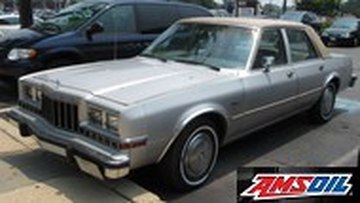
Engine Oil Maintenance for the 1983 Dodge Diplomat
Maintaining proper lubrication is one of the most fundamental aspects of vehicle upkeep. For owners of older vehicles, understanding the specific requirements for engine lubrication ensures that internal components remain properly coated during operation. This guide provides information regarding oil selection and general maintenance practices for your vehicle.
What engine oil is listed for my 1983 Dodge DIPLOMAT 3.7L?
The following 10W-30 motor oils are listed for this application: Signature Series 10W-30 Synthetic Motor Oil (ATMQT-EA), XL 10W-30 Synthetic Motor Oil (XLTQT-EA), and OE 10W-30 Synthetic Motor Oil (OETQT-EA).
Understanding Engine Oil Functions
Engine oil serves several critical roles within an internal combustion engine. Primarily, it provides a thin film of lubrication between moving metal parts, such as pistons, crankshafts, and camshafts, to reduce friction and prevent premature wear. Beyond lubrication, the oil also assists in thermal management by carrying heat away from high-temperature zones within the engine block and cylinder head.
Additionally, engine oil helps to clean the internal components. As it circulates, it picks up microscopic debris, soot, and combustion byproducts. These contaminants are then carried to the oil filter, where they are trapped to prevent them from recirculating through the engine. Maintaining a consistent supply of clean oil is essential for managing these various functions effectively.
Monitoring Oil Levels Regularly
One of the simplest yet most important maintenance tasks is checking the engine oil level. Even in a well-maintained vehicle, oil consumption can occur due to normal operating conditions or minor seepage. Checking the level allows you to identify potential issues before they lead to mechanical complications.
To check the oil level, ensure the vehicle is parked on a level surface. After turning off the engine and allowing it to sit for several minutes so the oil can settle in the pan, use the dipstick to verify the level. The oil should fall within the designated marks on the stick. If the level is consistently low, it may indicate a need for closer inspection of seals or gaskets.
The Importance of Oil Filter Changes
An engine oil change is not complete without replacing the oil filter. While the oil provides lubrication and cleaning, the filter is responsible for removing the contaminants that the oil has collected. Over time, a filter can become saturated with debris, which reduces its ability to clean the oil effectively.
When performing an oil service, always install a new filter to ensure maximum filtration efficiency. Inspecting the old filter for signs of excessive sludge or metal particles can sometimes provide useful information about the internal health of the engine, though this should be handled by someone familiar with mechanical diagnostics.
Identifying Potential Oil Leaks
Visible signs of oil leaks can often be detected during routine inspections. Because oil is under pressure when the engine is running, even small leaks can result in oil appearing on the exterior of the engine block, the oil pan, or on the ground beneath where the vehicle is parked. Common areas for potential seepage include valve cover gaskets, oil pan gaskets, and various seal locations.
If you notice fresh oil spots on your driveway or a burning smell while driving, it is advisable to inspect the engine compartment. While small amounts of "sweating" are common in older engines, active drips or significant accumulations of grime around seals should be addressed to prevent low oil levels and environmental contamination.
Managing Oil Contamination
Engine oil can become contaminated by several factors during normal operation. Combustion byproducts, such as carbon soot, can enter the oil through the piston rings. Furthermore, if an engine is operated for very short durations without reaching full operating temperature, moisture from condensation may accumulate in the crankcase. This moisture can mix with the oil, potentially leading to the formation of sludge.
Regularly following the manufacturer's recommended maintenance schedule is the most effective way to manage these contaminants. Following the intervals specified in your owner's manual ensures that the oil is replaced before its chemical properties degrade or its ability to suspend contaminants is compromised.
BUYING ENGINE OIL
When you are ready to purchase lubrication for your vehicle, refer to the specific products listed for your application to ensure you are selecting the correct viscosity. You can find various options, such as synthetic or conventional formulations, depending on your maintenance preferences. Always verify that any product you select matches the requirements specified for your engine to maintain proper lubrication and engine health.